What Could Be

The Canada ICI Principal Series – Marvin Ngambage
Becoming a Principal is one of the most meaningful milestones in our origination practice. It’s built on a foundation of consistent performance, but that is not what defines it. What truly distinguishes a Principal is who they are, which shows in the values, judgment, leadership and generosity they bring to their work and the people around them. While our Principals share much in common, the title only tells you so much. Behind it are individual journeys, each with mentors, hard moments and decisions that easily could have gone a different way.
We’re starting our series with Marvin Ngambage, a Principal in our Ottawa office. Read about Marvin’s journey below.
Long before he understood commercial real estate, leadership, or what it means to become a Principal, Marvin Ngambage learned something much simpler: the power of seeing what was possible.
Growing up in Edmonton after immigrating to Canada at the age of eight with his younger sister, Marvin often found himself surrounded by people whose lives looked different from his own. Their families had been here longer. Their paths felt clearer. Their futures seemed more certain. Rather than feeling discouraged by that difference, Marvin became curious.
He paid attention to how they lived, what they valued, and what they believed they could achieve. At times, that curiosity came with admiration. At times, maybe even a little envy. But more than anything, those experiences expanded his understanding of what life in Canada could look like and what he might be capable of building for himself.
Looking back now, Marvin sees a series of people who helped shape that perspective. His mother, who brought her children to Canada in search of opportunity. Friends whose families introduced him to a different vision of success. Mentors who challenged him to think bigger. Leaders who saw potential in him before he fully saw it in himself.
Each one widened the horizon a little further, and each one helped transform possibility into reality.
The Beginning
The story begins long before Edmonton.
Marvin was born in Uganda in March 1994, just weeks before the 1994 Genocide against the Tutsi in Rwanda began. His family had already spent years as refugees, displaced from Rwanda and living in Uganda alongside thousands of others who had fled violence and uncertainty. Marvin acknowledges that had circumstances unfolded differently, even by a matter of weeks, his life may have looked very different. It was the first of many moments in a winding road that would eventually lead him to where he is today.
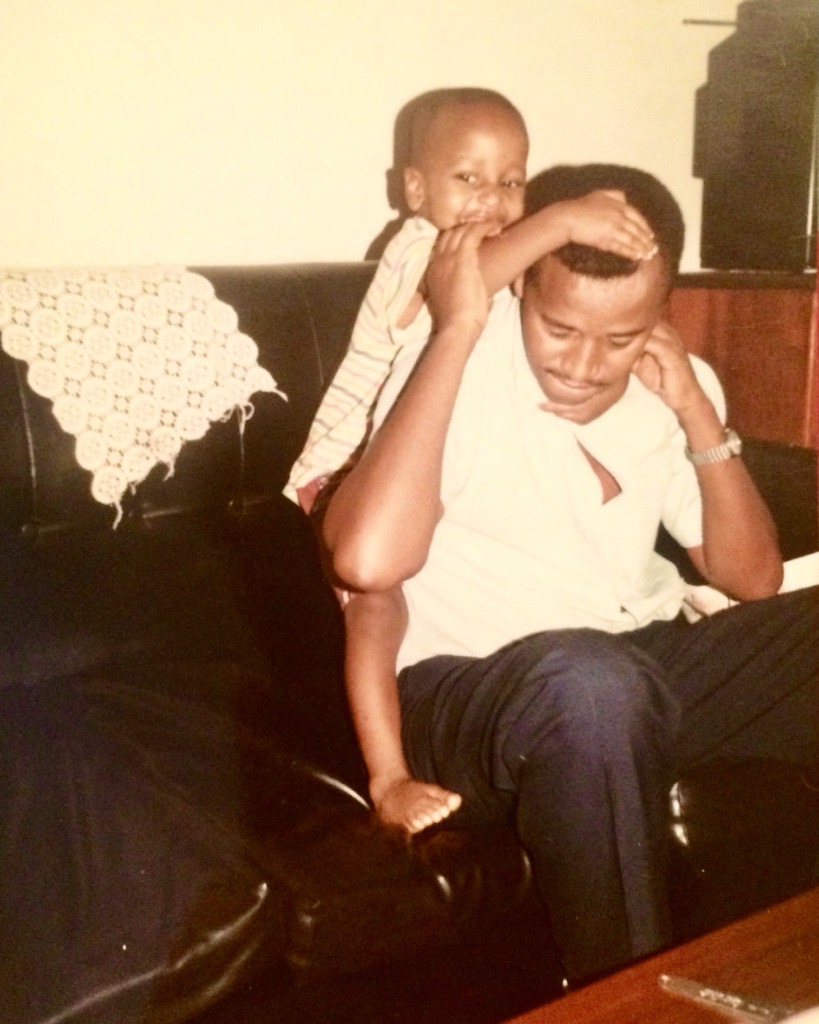
After months of horrific atrocities, the war ended, and his family returned home to a country trying to rebuild itself. Rwanda was still carrying the instability, uncertainty, and deep scars left behind. Some of Marvin’s earliest memories are tied to that reality. Every April, communities gathered to commemorate those who had been lost and to identify victims buried in mass graves across the country. As a child, it was simply part of life. Only later would he understand the weight of what he had witnessed.
When Marvin was six, his father passed away unexpectedly. Two years later, his mother made a decision that would alter the future of the family.
As Rwanda was still rebuilding after the genocide, she believed Canada could offer her children access to better education, healthcare, stability, and opportunity. It was another turning point in Marvin’s story, and one rooted in the same belief that would shape so much of his life: that a different future was possible.
At eight years old, Marvin and his younger sister arrived in Ottawa alone, staying with family friends while his mother and older siblings remained in Rwanda to complete the immigration process. For nearly a year, the two children lived apart from the rest of their family, between Ottawa and Edmonton.
Marvin remembers walking around the Carleton University campus during that first year in Canada and noticing the flowers. He remembers the colours, the beauty of the campus, and how different everything felt. At the time, he could not have known what Ottawa would eventually come to represent in his life. Years later, he would return to the city not as a child trying to understand a new country, but as a professional helping shape the commercial real estate landscape in the market where he first set foot in Canada.

The Formative Years
The years that followed were not easy. Before he turned eighteen, Marvin’s family moved frequently as they adjusted to life in a new country and the realities of a large family being supported by a single mother. There were periods when multiple families shared small apartments, and some Saturdays began with trips to the food bank.
Yet when Marvin reflects on those years, struggle is not what he remembers most. He remembers the people and support systems that helped his family begin building a future while they found their footing in a new country.
He remembers the community members who helped them settle into a new country, the families who made space for newcomers, and the church communities that stepped in when support was needed. He remembers people helping with essentials like winter clothes and groceries, and offering guidance as his family navigated an unfamiliar landscape.
That support system gave Marvin and his family something invaluable: stability.
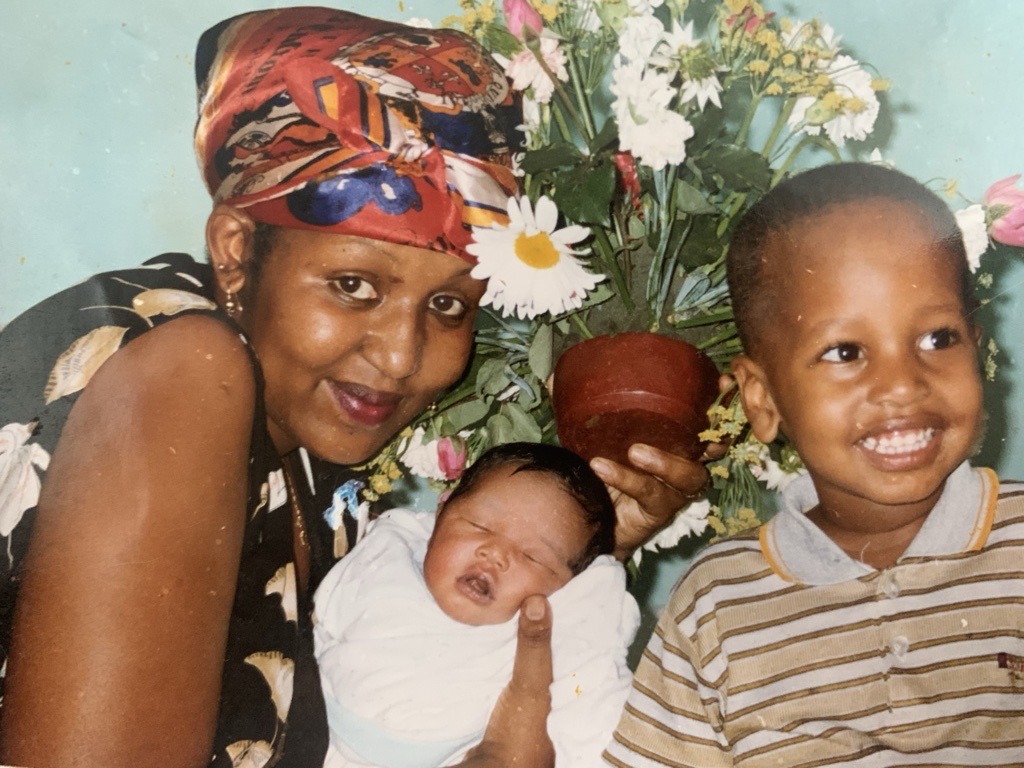
No one, however, had a greater influence on that future than his mother.
Despite the challenges their family faced, she refused to lower her expectations. When Marvin was ten years old, she enrolled him and his siblings in francophone schools because she believed bilingualism would create more opportunities later in life. The transition was difficult, but it introduced Marvin to something that would quietly shape the rest of his journey: perspective.
He found himself surrounded by classmates whose families had achieved a level of stability his own family was still working toward. He watched how families who had been in Canada longer navigated its systems, built opportunities, and passed that knowledge on to their children. Rather than changing his values, those experiences strengthened what his mother had always taught him: that education, resilience, and determination could open doors. Through those friendships, Marvin gained a broader understanding of what life could become.
“I always got to see what could be,” he says. As Marvin reflects further, “I realize, from an early age, I’ve been fortunate to meet certain individuals who, over the course of my life and at certain critical junctures, impressed upon me a new spark or way of understanding, which when looking back now, I realize helped lead me to various life-altering opportunities”. This helps anchor Marvin’s current perspective on the importance of relationships, a value that Marvin seeks to apply in his business and broader life.
One friend in particular became influential. Marvin often speaks about Jordan, not because of any single lesson, but because of what Jordan’s family represented. They offered a glimpse into a different future and reinforced a belief that would stay with him for years: where you start does not have to determine where you end up.
For Marvin, it was another reminder that life’s path is rarely fixed. Sometimes all it takes is one person to help you imagine a different destination.
That mindset began shaping Marvin’s decisions early. At fourteen, when he wanted to play soccer and understood he would need to help fund his own registration fees, he got a job at McDonald’s.
“If I wanted something, I had to figure it out myself,” he recalls.
The experience taught him far more than customer service. It reinforced the value of hard work, humility, and personal responsibility. It was one of the first times Marvin realized he could actively shape the direction of his own journey.
Before long, he was balancing school with multiple jobs. Summers were spent working shifts at McDonald’s during the day and labour-intensive warehouse jobs at night, helping contribute to household expenses while still trying to be a teenager.
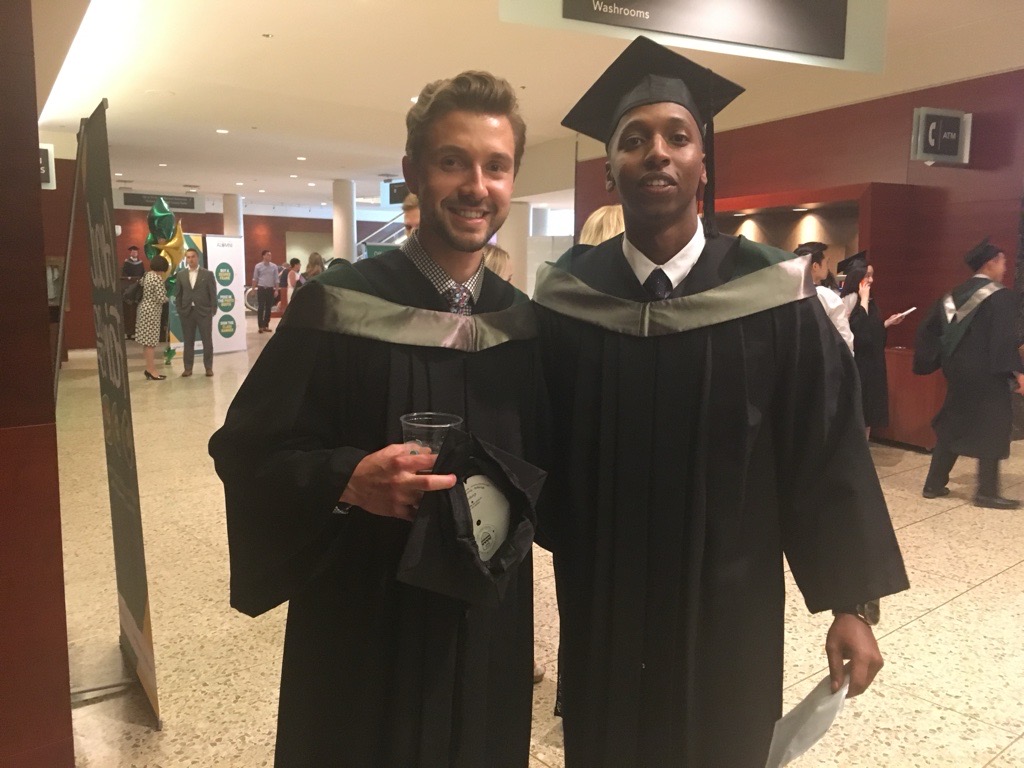
As high school came to an end, Marvin turned his attention toward university. While some suggested alternative paths, he had already set a different expectation for himself. Influenced by the people around him and the examples he had seen, he was determined to earn an undergraduate degree and continue expanding the opportunities available to him.
That determination followed him into university, where he worked overnight shifts caring for seniors with disabilities while carrying a full course load. His days were spent attending classes and studying. His nights were spent at work.
The schedule was exhausting, but Marvin rarely describes it that way. To him, it was simply what needed to be done.
At twenty-one, he achieved something that carried special significance. After years of moving from apartment to apartment, he purchased a home for his family. For many young adults, buying a house represents financial success. For Marvin, it represented something much more important: stability.
This stability gave him a new curious outlook on life. He began to ask himself a different question; not simply how to get by, but what could come next.
That curiosity would ultimately shape the next chapter of his life.
Career Beginnings
While attending the University of Alberta, he became fascinated by how industries worked, how decisions were made, and how different systems connected with one another. At the time, he envisioned a career in renewable energy and natural resource economics, believing that was where his future would take him.
What he did not realize was that some of the most important opportunities would come not from the classroom, but from the people around him. One of those people being Mack Carson.
The two met through the University’s Leadership Certificate Program and quickly became friends. Marvin admired Mack’s intelligence and drive, but just as importantly, he appreciated how approachable he was. Their friendship was built around a shared curiosity about business, leadership, and personal growth. Over time, Mack became another person who expanded Marvin’s perspective on what was possible professionally.
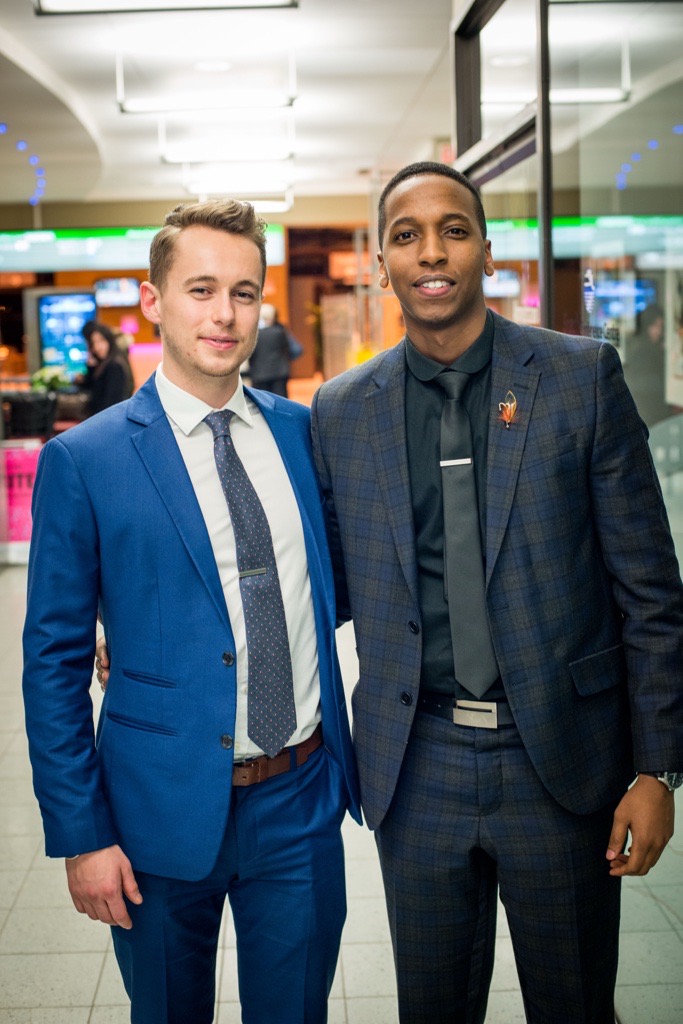
After joining Canada ICI, Mack often spoke about the firm’s culture, the people, and the opportunities available to those willing to put in the work. What began as casual conversations gradually developed into genuine interest. The more Marvin listened, the more intrigued he became.
But commercial real estate finance was not part of Marvin’s plan. His background was unconventional, his experience was limited, and he was not convinced he belonged in the industry at all. Yet something about the way Mack described Canada ICI kept pulling him in. The pace, the expectations, the people, and the chance to keep learning all felt familiar in a way he could not ignore.
Eventually, curiosity turned into action, and Marvin asked Mack for an introduction to Brandon Kot, Managing Partner at Canada ICI.
Looking back, Marvin sees that meeting as another turning point in a life shaped by people willing to challenge how he saw himself. While Marvin focused on what he lacked, Brandon saw something different. He saw the work ethic required to balance multiple jobs while earning a degree. He saw resilience. He saw someone willing to learn.
Most importantly, he saw potential.
Marvin still remembers being hired before anyone had looked at his resume.
Years later, he would describe that opportunity as one of the most significant moments of his career. Not because it guaranteed success, but because someone was willing to bet on what he could become.
Learning the Craft
Opportunity, however, was only the beginning.
The early years at Canada ICI were challenging. By his own admission, Marvin was not a quick learner. He often found himself frustrated that concepts did not come as naturally or as quickly as they seemed to for others around him. At the same time, he was still working overnight shifts at a group home, balancing two jobs while helping support his family.
There were moments when he questioned himself, and there were plenty of difficult conversations. What kept him going was the same mindset that had carried him through every chapter before. Show up, learn, improve, and come back the next day ready to do it again.
Marvin credits many of those formative years to the people around him, particularly the mentors who challenged him with honest feedback and refused to lower expectations. Rather than discouraging him, those conversations became fuel.
Over time, something began to change. The technical side of the business started to make sense. The relationship between client service, market knowledge, and business development became clearer. The lightbulb turned on. “It finally clicked,” he says.
The same persistence that helped him navigate childhood, university, and multiple jobs began paying dividends in his career. As his confidence grew, so did the opportunities available to him.
One of the most significant came when Canada ICI asked him to help expand the firm’s presence in Ottawa.
In some ways, the move felt unexpectedly familiar. Nearly two decades earlier, Ottawa had been the first Canadian city Marvin experienced as an eight-year-old immigrant arriving from Rwanda. At the time, it represented uncertainty, distance from family, and the beginning of an unfamiliar chapter.
This time, it represented possibility. The first stop on his Canadian journey had become the next major stop in his professional one.
He raised his hand.
Then, three weeks after arriving, the world shut down.
The COVID-19 pandemic changed almost every aspect of the business overnight, forcing relationships, markets, and day-to-day operations into uncharted territory. For Marvin, it became another opportunity to learn.
Ottawa presented a challenge he had encountered before: learning an unfamiliar environment from the ground up. He spent evenings driving neighbourhoods, studying development activity, researching builders, learning local processes, and asking questions. If he was going to build a career there, he wanted to understand the city at a level deeper than most people ever would.
The lesson was one he had learned long ago: if you want to create opportunities, you first need to understand the environment around you.
And just as he had done throughout his life, Marvin focused on mastering what was in front of him while continuing to look ahead at what could be.

The Next Chapter
For Marvin, becoming a Principal at Canada ICI represents something deeper than professional recognition. It is validation from the people who helped shape him.
The mentors who challenged him. The leaders who refused to lower their expectations. The colleagues who pushed him to improve long before there was any guarantee of where his career would lead.
“I know everything I’ve gotten, I’ve earned,” he says. “To be in a position right now where those people are saying, ‘We believe in you now and you’ve earned this,’ that means way more than whatever other compensation comes from it.”
When the call finally came, he cried. Not because he had reached a finish line, but because for the first time in years he stopped focusing on what came next and allowed himself to look back.
Back at the turns in the road that brought him there. His mother’s decision to bring her family to Canada. The community that helped them find stability. The friendships, mentors, and experiences that expanded his view of what was possible. The countless hours spent learning, working, and preparing for opportunities before he knew where they might lead.

For much of his life, Marvin’s focus was straightforward: help his family build stability. Once that foundation was in place, his attention shifted toward growth, learning his craft, building a career, and proving himself. Today, as a Principal, he feels a different responsibility emerging.
Responsibility to his team, his clients, and the people who have placed their trust in him. Responsibility to uphold the standards that helped shape his career. Responsibility to create the same environment of accountability, support, and opportunity that others created for him.
The same values continue to shape how Marvin approaches both leadership and client relationships today. He believes success begins with understanding different perspectives, communicating value clearly, and leaving people and situations better than he found them. It is a mindset rooted in the experiences that shaped him and reinforced by the culture he found at Canada ICI. It is also why Marvin is well known for consistently going the extra mile for his clients.
Looking back, Marvin can point to countless people who expanded his understanding of what was possible. People who challenged him, supported him, and refused to let him settle for less than his potential.
Each one helped guide him toward the next stop on a journey that rarely unfolded the way he expected.
Now, as he steps into this next chapter, Marvin hopes to do the same for others.
Because in the end, the defining moments of his life were never about reaching a particular destination.
They were about learning to see beyond whatever road was directly in front of him.
To see what could be.
And then finding the courage to keep moving toward it.
Elevating Women in Commercial Real Estate
We shine a light on the dynamic opportunities a career in commercial real estate can bring, and shar...
Related Articles